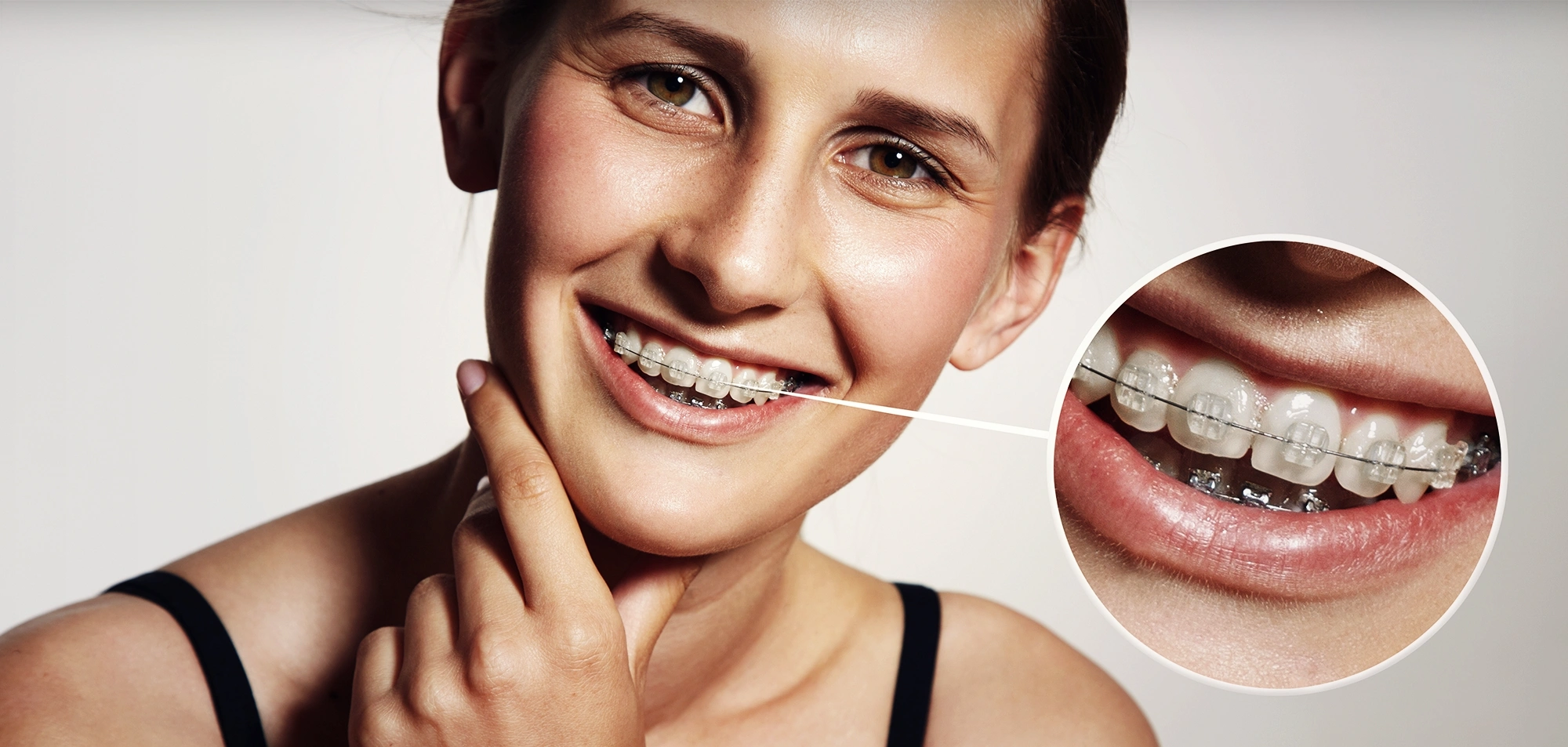
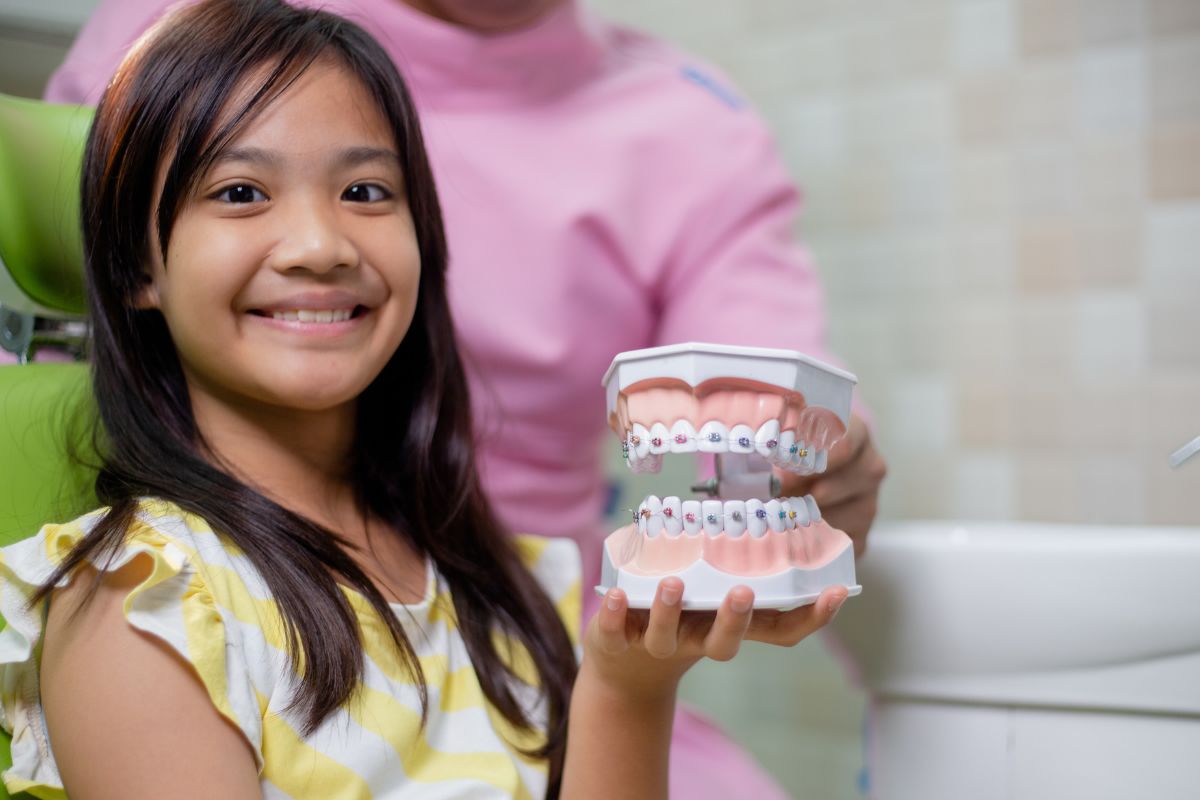
As a parent in Winter Park, you’re constantly thinking about your child’s development — their health, their confidence, their future. Orthodontic health is a part of that picture, and the timing of treatment matters more than many families realize.
If you’ve noticed your child has crooked teeth, a bite that doesn’t quite line up, or baby teeth that are falling out in an unusual order, you may be wondering whether it’s too early to see an orthodontist. The short answer is: it’s probably not too early. In fact, waiting too long can sometimes make treatment more complicated.
At McIntosh Orthodontics in Winter Park, Dr. David McIntosh has helped hundreds of children in this community get ahead of orthodontic problems through early treatment — and the results speak for themselves.
What Is Early Orthodontic Treatment?
Early orthodontic treatment, also called Phase 1 orthodontics, typically happens between the ages of 7 and 10, while a child still has a mix of baby teeth and emerging adult teeth. It’s not full braces. Instead, it focuses on guiding jaw growth and creating the right conditions for adult teeth to come in well.
The American Association of Orthodontists recommends that every child receive their first orthodontic evaluation by age 7. This doesn’t mean every 7-year-old needs treatment—most don’t. But it gives Dr. McIntosh the chance to identify developing issues before they become harder or more expensive to fix.
Why Early Treatment Can Make a Big Difference
Here’s why timing matters in pediatric orthodontics: children’s jaws are still growing. That’s actually an advantage. When we work with a growing jaw, we can guide its development in ways that aren’t possible once growth is complete.
Specific issues that often respond well to early treatment include:
Narrow Palate Or Arch- When the upper jaw is too narrow, it can cause crowding and may affect breathing or speech. A palate expander, a common Phase 1 appliance, can gently widen the jaw over several months while your child is still growing, creating space without the need for more invasive intervention later.
Severe Crowding- when there isn’t enough room in the jaw for all the adult teeth that are coming in- early intervention can help create that space. This often makes Phase 2 (full braces) shorter and less involved.
Overbite and Underbite- Bite problems are easier to address when the jaw is still developing. Catching a significant overbite or underbite early can sometimes prevent the need for surgical correction later.
Crossbite- A crossbite occurs when some upper teeth sit inside the lower teeth when biting. If left untreated in young children, it can cause the jaw to shift to one side and lead to uneven facial development.
Habits Affecting Dental Development- Thumb-sucking, prolonged pacifier use, and mouth breathing can all affect jaw shape and tooth position. Early evaluation lets Dr. McIntosh identify these patterns and recommend solutions.
What Early Treatment Looks Like for Winter Park Families
Phase 1 treatment typically lasts 9 to 18 months, depending on what’s being addressed. It may involve:
- Palate expanders
- Space maintainers (to hold space open when baby teeth are lost early)
- Partial braces on specific teeth
- Habit appliances (to address thumb-sucking or tongue thrusting)
After Phase 1, there’s typically a resting period — sometimes called the observation phase — where we monitor your child as the remaining adult teeth come in. Some children go on to need Phase 2 (full braces or Invisalign Teen) in their teen years, though the second phase is often shorter and simpler thanks to what was accomplished early.
What If My Child Doesn’t Need Early Treatment?
That’s completely fine and common. If you bring your child in for an evaluation and Dr. McIntosh determines there’s no urgent issue, we’ll set up a monitoring schedule and check in periodically as your child grows. When the right time for full treatment arrives, we’ll be ready.
There’s no downside to an early evaluation. The information it gives you as a parent is valuable whether treatment is needed immediately or not.
A Note from Dr. McIntosh on Early Treatment
Dr. McIntosh grew up right here in Winter Park, and he’s raised his own family in this community. He understands the trust that parents place in him when they bring their children in for care. His approach to early treatment is always to recommend only what’s genuinely necessary — not to sell a service. If early treatment will make a meaningful difference for your child’s smile development, he’ll explain exactly why. If it won’t, he’ll tell you that too.
Signs Your Child May Benefit from an Early Evaluation
Schedule a consultation at our Winter Park office if you notice any of the following:
- Early loss of baby teeth (before age 4 or 5)
- Late loss of baby teeth (still present past age 13)
- Difficulty chewing or biting
- Crowding, misplaced, or blocked-out teeth
- Teeth that come together abnormally or not at all
- Jaw shifting when opening or closing
- Mouth breathing or snoring
- Speech difficulties
Any one of these can be worth a conversation with Dr. McIntosh.
Schedule a Free Evaluation at Our Winter Park Office
McIntosh Orthodontics is located at 2546 Aloma Ave. in Winter Park and is open Monday through Thursday, 8 am to 5 pm. We offer free consultations for new patients of all ages, including children.
Call us at (407) 671-4455 or book an appointment online. Getting your child evaluated early is one of the simplest, most impactful things you can do for their long-term dental health, and it starts with a single conversation.